Product Demo Ideas: Different Creator Styles Brands Can Learn From
Explore four product demo creators using trend-led videos, tutorials, software walkthroughs, and sensory details to inspire your next creative brief.
These four creators offer references for different creative briefs. Use their examples to identify what customers need to understand, then look for creators whose portfolios demonstrate the relevant skills and presentation style.
How These Creators Were Selected
This editorial selection uses creator portfolios and representative product-demo examples to compare four creative approaches
The examples illustrate style and execution. They do not establish comparative campaign performance or predict results for another brand. Brand relationships are described only where the creator’s source material identifies them.
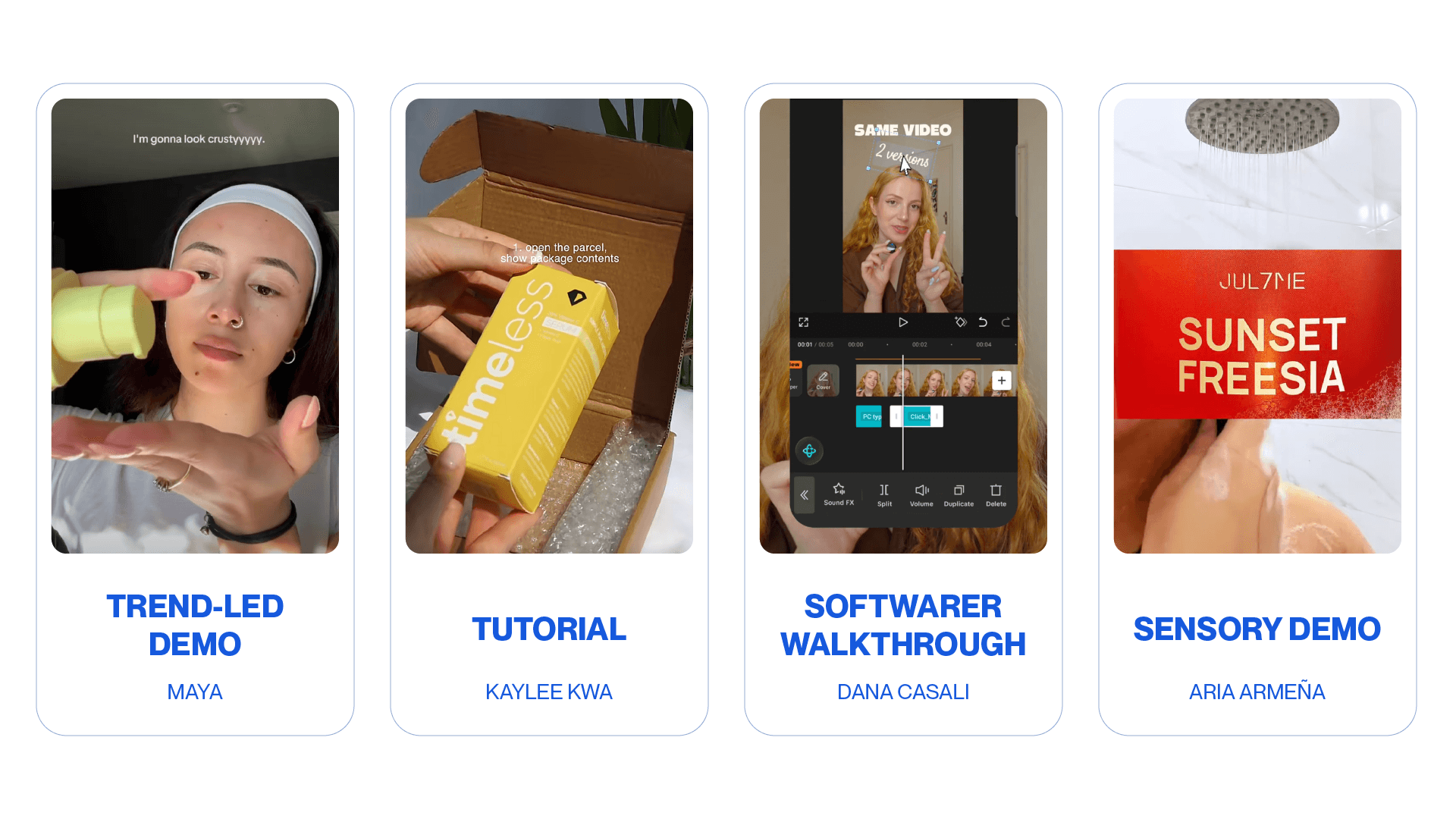
1. Maya: Turn a Product Demo Into a Familiar Content Format
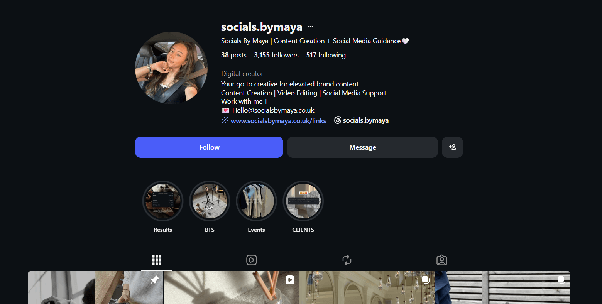
| Creator | Maya, Socials by Maya |
| Verified creator site | socialsbymaya.co.uk |
| Representative video | BYOMA Skincare UGC Ad |
| Category | Skincare |
| Style | Trend-led product demonstration |
Maya describes her BYOMA video as a passion project combining a makeup trend with skincare integration, dynamic transitions, and energetic audio.
 Instagram
 reel
Playing it here loads Instagram’s player, which sets Instagram’s cookies.
Watch on InstagramWhat Brands Can Learn
A recognizable content format can provide the setting for a product demonstration. The product still needs a clear role: viewers should see how it is used within the routine.
For a similar brief, specify the required product action while leaving room for the creator’s transitions, pacing, and presentation.
Potential brief fit: Trend-aware beauty content and product integration within a routine.
2. Kaylee Kwa: Make the Demonstration the Tutorial
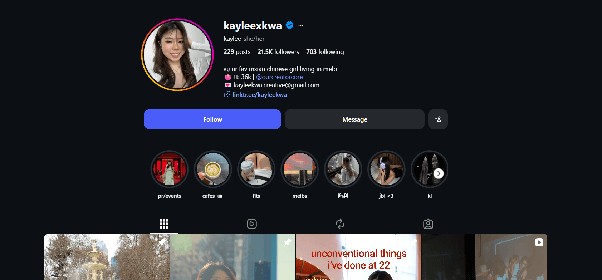
| Creator | Kaylee Kwa (@kayleexkwa) |
| Verified creator site | kayleekwa.my.canva.site/ |
| Representative example | WORTHEE UGC tutorial |
| Category | Beauty |
| Style | Tutorial-led demonstration |
Kaylee’s portfolio labels the WORTHEE example as a UGC tutorial, alongside other formats such as unboxing, reviews, and routine integrations. It provides a reference for briefs where instruction is the main creative requirement.
 TikTok@kayskwa
TikTok video by @kayskwa
Playing it here loads TikTok’s player, which sets TikTok’s cookies.
Watch on TikTokWhat Brands Can Learn
Define the steps customers need to understand before choosing the visual treatment. A tutorial brief should identify the required actions, their order, and the result viewers should see.
When reviewing a product content creator, look for samples that make those steps easy to follow.
Potential brief fit: Application tutorials, multi-step product use, and educational short-form content.
3. Dana Casali: Show Software by Showing the Screen
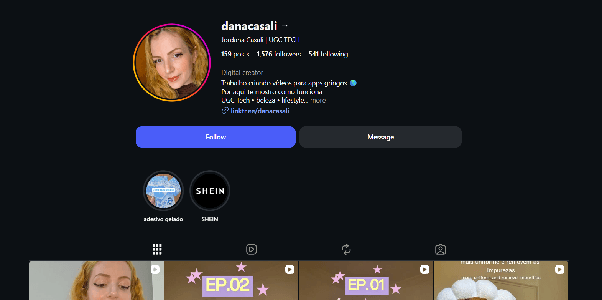
| Creator | Dana Casali |
| Verified creator site | danacasali.my.canva.site/ugctech |
| Representative example | CapCut editing walkthrough |
| Category | Apps and software |
| Style | Screen-led walkthrough with creator explanation |
The CapCut example shown in Dana Casali’s tech portfolio is presented as an editing walkthrough with before-and-after results. It provides a reference for demonstrating software through the interface and its output.
What Brands Can Learn
Build the brief around one task:
Starting State → Action → Result
Specify the input, the interface actions that matter, and the output viewers need to see. Keep essential controls and results readable, especially when the video will be viewed on a phone.
Potential brief fit: App tutorials, SaaS feature demonstrations, onboarding, and before-and-after workflows.
4. Aria Armeña: Use Sensory Detail to Make the Product Easier to Imagine
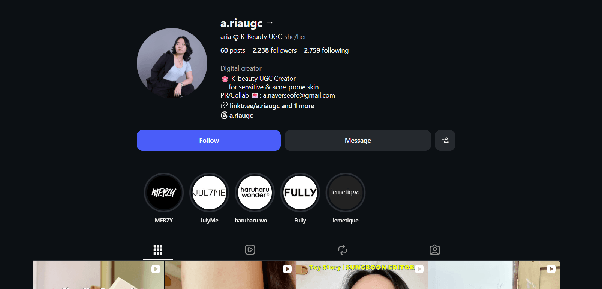
| Creator | Aria Armeña (@a.riaugc) |
| Verified creator site | ugcwitharia.my.canva.site/ |
| Representative example | JULYME Perfume Hair Shampoo |
| Category | Haircare |
| Style | Aesthetic and sensory product demonstration |
Aria’s portfolio features JULYME Perfume Hair Shampoo under haircare, product demonstration, and organic TikTok UGC. It offers a reference for combining product-focused imagery with a sensory presentation.
InstagramInstagram post
Playing it here loads Instagram’s player, which sets Instagram’s cookies.
Watch on InstagramWhat Brands Can Learn
Separate what the camera can show from what needs description. Texture, dispensing, application, and visible finish can be demonstrated. Fragrance requires an accurately framed description or personal observation.
Specify the observable details required in the brief without treating aesthetic footage as proof of every product benefit.
Potential brief fit: Haircare, skincare, fragrance, and other products where texture or sensory presentation matters.
Four Creators, Four Different Demonstration Jobs
| Creator | Style | Product Question Answered | Potential Brief Fit |
|---|---|---|---|
| Maya, Socials by Maya | Trend-led demonstration | How does this product fit into a familiar beauty routine? | Beauty, trend integration, paid or organic social concepts |
| Kaylee Kwa | Tutorial | How do I use this product? | How-to, application, educational short form |
| Dana Casali | Software walkthrough | What does the tool do and how does the workflow change? | Apps, SaaS, AI tools, screen-recorded demos |
| Aria Armeña | Sensory demonstration | What visible details help explain the product in use? | Beauty, haircare, fragrance, sensory categories |
Once you know which approach fits your campaign, the next step is finding creators whose portfolios demonstrate it. One place to begin is Rali, the discovery platform built for content and UGC creators.
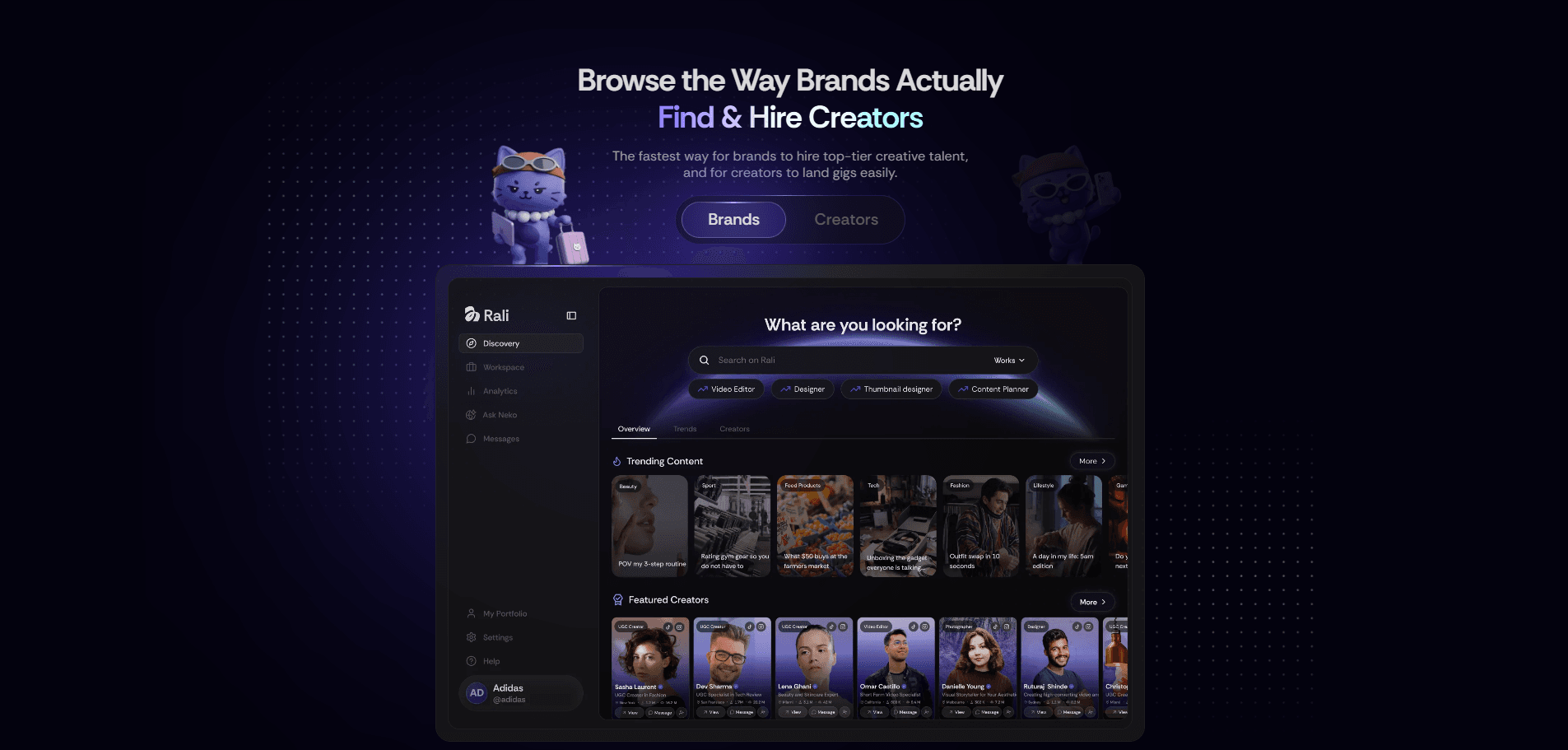
Brands can use Rali to discover creator profiles and review previous work, then assess whether the creator’s skills, presentation style, and category experience fit the brief. Use the examples above as creative references when deciding what to look for.
The Demonstration Style Should Follow the Customer Question
The creator is only one part of the decision, so start with the product uncertainty.
| Viewer Question | Use | Show | Notes |
|---|---|---|---|
| "How Do I Set It Up?" | Tutorial or walkthrough | Components, sequence, required tools, finished setup | A creator like Dana demonstrates the broader logic well for software, while Kaylee's tutorial style applies naturally to physical products. |
| "What Does the Texture Look Like?" | Close-up sensory demonstration | Dispensing, texture, spread, application, visible finish | This is where Aria's aesthetic product-demo approach becomes relevant. |
| "How Big Is It?" | Scale demonstration | Product in hand, product beside familiar objects, measurements, product being packed, worn, or stored | Talking alone adds little if scale is the real uncertainty. |
| "Will It Work With What I Already Have?" | Compatibility demonstration | The actual connection or fit (e.g., laptop → bag, device → accessory, attachment → appliance, software → workflow) | The proof should be visible. |
| "How Is This Different From What I Already Use?" | Comparison | The relevant difference | Avoid comparisons that depend entirely on unsupported claims. The creator should make the distinction observable wherever possible. |
Separate What You See From What the Creator Says
When reviewing creators, use three columns mentally.
| Visible Visual evidence allows viewers to verify product features directly through a demonstration. Examples include showing a product fitting inside a bag, the thickness of a cream, an app generating an output, an attachment connecting correctly, or an organizer holding six objects. These observable actions provide clearer proof of specific product capabilities than verbal claims alone. |
| Asserted Creator statements about product benefits are not the same as visual proof. Claims such as “This lasts all day,” “This is comfortable,” or “This saves me hours” may be genuine, but the video does not necessarily verify them. Distinguish personal opinions and experiences from benefits supported by visible evidence when evaluating product demonstrations. |
| Unverified Creator posts and portfolios do not always provide enough information to evaluate campaign performance. Details such as sales, conversion rates, paid partnerships, advertising spend, unique reach, and campaign objectives may be unavailable. Avoid making unsupported assumptions about these metrics, especially when using creator examples to inform future campaign briefs and creative strategies. |
How to Brief Different Product Demo Styles
A good product-demo brief should describe the evidence the brand needs.
| Content Type/Brand | Style Required |
|---|---|
| Tutorial | Show all three setup steps |
| Skincare | Show product texture before application and visible finish after application. |
| Software | Screen-record the upload, processing step, and finished output. |
| Lifestyle | Show the product being used during the morning routine rather than only appearing on the table. |
This brief still leaves room for the creator's presentation style, but the brand defines what must be understood. The creator determines how to make that demonstration feel natural.
Product Demo Creator FAQ
| What makes a good product demonstration video? A useful demonstration makes an important product action easy to see. The viewer should understand what the product does, how it works, how it fits into a relevant situation, or what changes after using it. The strongest evidence depends on the product. |
| What are some useful product demonstration ideas? Choose product demonstration formats based on the specific questions or concerns customers need answered. Options include step-by-step tutorials, hands-only demonstrations, before-and-after comparisons, lifestyle integrations, screen walkthroughs, texture close-ups, and problem-solution videos. The most effective format is the one that provides clear visual evidence and helps customers better understand the product, rather than simply following a generic template. |
| Should a product content creator always appear on camera? No, some products benefit from talking-head explanation, others can be clearer through hands-only footage, close-ups, screen recordings, or voiceover. The format should support the evidence the viewer needs. |
| How should brands compare product demo creators? Start with relevant work. Look at whether the creator can demonstrate the required product action clearly, whether their presentation style fits the intended audience, and whether their existing examples show the format requested in the brief. Audience size may also matter when the creator is expected to distribute the content through their own channels. |
| Does a high-view product demo mean the creator will perform well for another brand? No, public views reflect one piece of content in a particular context. Creator, topic, platform, timing, distribution, product, editing, and many other factors can influence the result. That is why you need to use previous performance as context rather than a guarantee. |
Choose the Creator After You Know What Needs to Be Shown
Define the customer question, the product action viewers need to see, and the presentation style that fits the audience. Then use relevant portfolio work to assess potential creators.
Once brands understand their product demonstration needs, evaluating creator portfolios becomes easier. Rali allows brands to discover creator profiles and review previous work, helping them identify creators whose skills and creative styles align with their campaigns. Creators can also showcase relevant projects, making it easier for brands to assess their capabilities before initiating a collaboration.
Looking for creators whose existing work matches the type of product demonstration your brief requires?
Keep reading
More Articles For CreatorsFor Creators
10 Platforms to Find Creator Jobs and Freelance Opportunities
Compare 10 platforms for creator jobs, freelance projects, UGC work, and brand partnerships based on skills, work type, eligibility, and requirements.
15 min read Niche GrowthNiche Growth
How to Become a Content Creator: A Beginner’s Guide
Learn how to become a content creator by choosing a focus, building practical skills, publishing work, creating samples, and exploring creative jobs.
12 min read For BrandsFor Brands
UGC Portfolio vs. Media Kit: What Should You Send a Brand?
Learn when to send a UGC portfolio, media kit, or both based on whether a brand needs content production, audience distribution, or both.
7 min read