How to Apply for UGC Creator Jobs With Relevant Work Samples
Learn how to apply for UGC creator jobs by matching requirements with relevant work samples, clear contributions, and a concise application.

This guide explains how to evaluate UGC creator opportunities, choose relevant portfolio samples, and write an application that shows brands why you're a good fit, even if you haven't worked with a paying client yet.
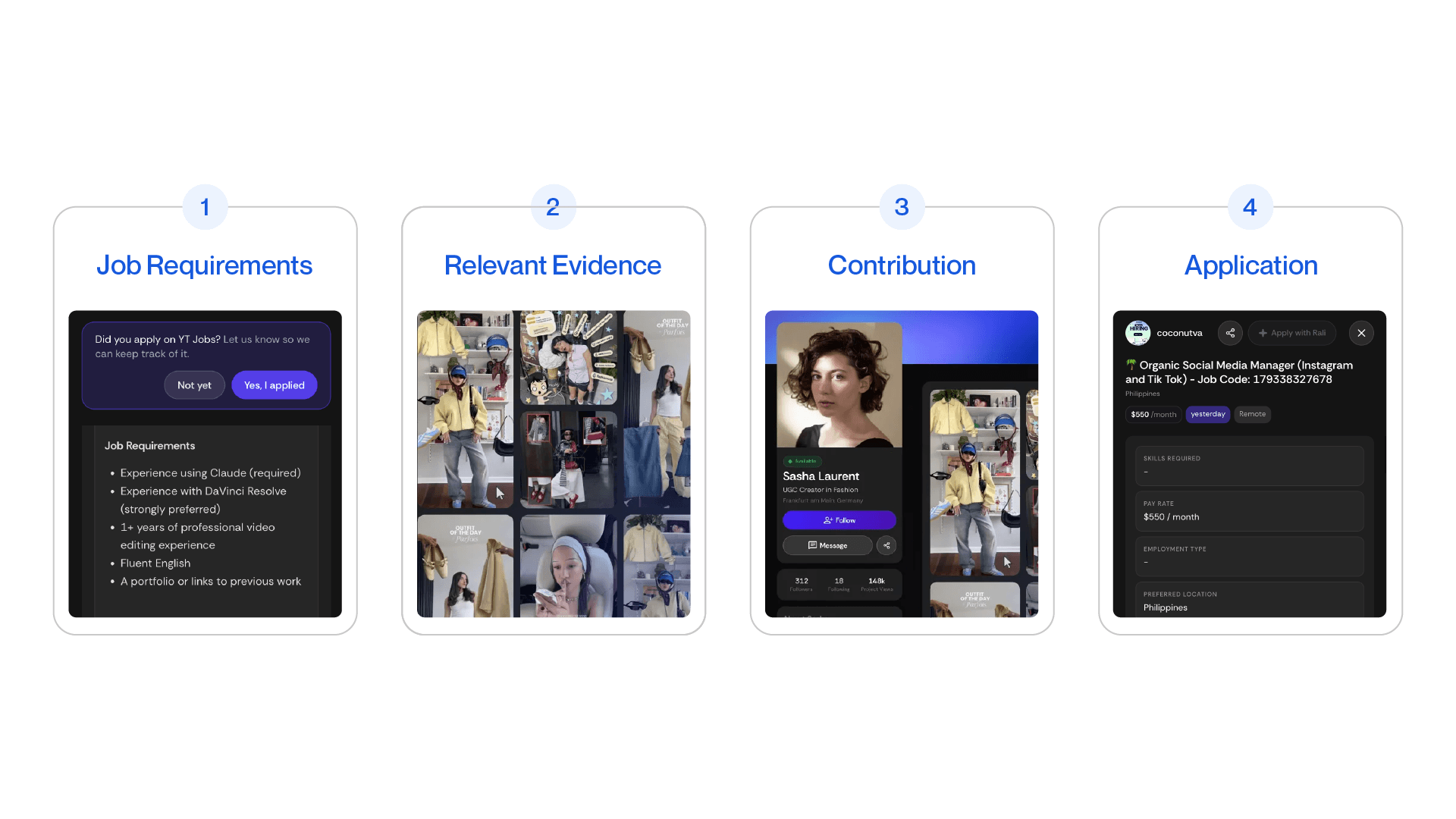
Step 1: Review the UGC Creator Job Requirements
Read the listing before selecting samples. Extract the requirements that affect eligibility and creative fit.
| Requirement | What to check |
|---|---|
| Product category | Whether category knowledge or previous experience is required |
| Audience | Who the content addresses and the expected language or presentation style |
| Format | Talking-to-camera, voiceover, demonstration, tutorial, or another specified format |
| Deliverables | Number of videos, concepts, hook versions, edits, and raw files |
| Location | Shipping eligibility, market requirements, or attendance at an in-person shoot |
| Availability | Application deadline, production window, meetings, and delivery date |
| Experience and equipment | Required skills, previous work, languages, or production tools |
Count deliverables carefully. Two edited videos plus raw footage is a different assignment from several concepts with multiple hook versions.
Mandatory Requirement vs. Preference
Content creators should distinguish between mandatory job requirements and preferred qualifications when evaluating opportunities. For example, a listing that requires applicants to be based in Los Angeles typically establishes a firm eligibility condition, while a preference for previous fitness-brand experience may allow candidates with transferable production skills to qualify. Review the wording carefully rather than assuming every preference is optional or automatically disqualifying.
Follower count and audience reach requirements also vary by creator role. Some UGC opportunities prioritize content production skills and portfolio quality, while others may require an established audience or specific social media reach. The key is to assess each job's requirements individually and apply when your qualifications and work samples demonstrate a relevant fit.
Step 2: Match Each Requirement With Evidence
Once you understand a creative job's requirements, compare them with your existing portfolio to identify the strongest evidence of your suitability. A simple evidence-mapping table can help connect each requirement to a relevant work sample, making your application more focused and easier to evaluate.
For example, a skincare brand seeking two vertical product-demonstration videos delivered within one week may prioritize on-camera confidence, product application skills, video editing, and reliable turnaround times. Your evidence map might look like this:
| Requirement | Suitable Sample | What It Demonstrates | Missing Information |
|---|---|---|---|
| Skincare familiarity | Moisturizer demo | Product handling and application | Label as a self-initiated project |
| Talking to camera | Sunscreen explainer | Natural delivery and framing | Clarify your role and the intended audience |
| Product demonstration | Cleanser tutorial | Step-by-step visual demonstration | None |
| Editing | Moisturizer demo | Pacing, captions, product close-ups | Clarify that editing was your work |
| One-week availability | None | Not shown through portfolio | Confirm in application |
Use the map to separate what your samples demonstrate from details you must confirm in the application, such as availability.
Step 3: Choose a Focused Sample Set
Follow the listing’s instructions. If no number is specified, two or three relevant examples can be a practical starting point.
Choose samples that collectively demonstrate the requested skills. For a skincare brief, that might mean one talking-to-camera demonstration and one tutorial showing product close-ups and editing.
Use Performance Metrics as Supporting Context
Consider this hypothetical comparison:
| Sample | What it demonstrates |
|---|---|
| Comedy sketch with 1.2 million views | Performance in an entertainment context |
| Skincare demo with 7,400 views | Product handling, on-camera delivery, and relevant editing |
For a skincare production role, lead with the demonstration. Views alone do not establish category experience, production ability, or suitability for the brief. Keep your broader portfolio accessible where appropriate, but link directly to the samples the reviewer should open first.
Step 4: Explain What You Actually Did
Describe your contribution so the reviewer can evaluate the right skills. For example:
| Field | Hypothetical sample description |
|---|---|
| Project | Self-initiated moisturizer demonstration |
| Objective | Show how the product fits into a morning routine |
| My contribution | Concept, script, on-camera presentation, filming, and editing |
| Format | 30-second vertical video |
If someone else wrote the script or edited the footage, state that. Include verified performance figures only when relevant, and identify the account or distribution context without claiming sole responsibility for the result.
Personal and speculative projects can demonstrate skills without paid client experience. Label them clearly and avoid presenting them as commissioned campaigns. For guidance on assembling the wider portfolio, read Masterhooks’ guide to building a UGC portfolio from scratch.
Step 5: Find UGC Creator Opportunities That Match your Skills
Use your evidence map to prioritize UGC creator opportunities where you meet the mandatory conditions and can demonstrate the requested skills.
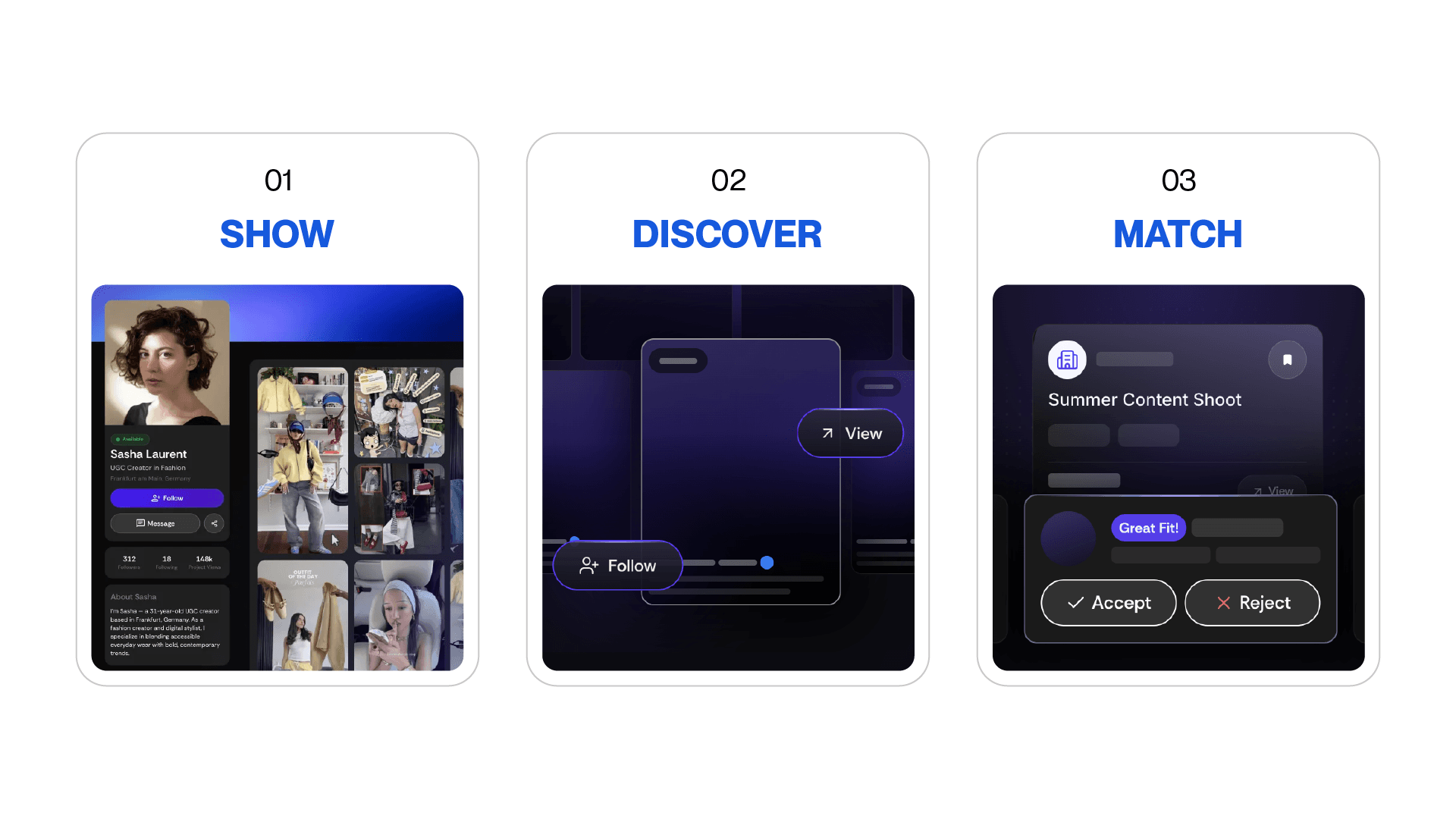
One place to explore those opportunities is Rali, the discovery platform built for content and UGC creators. Creators can showcase portfolio work, discover jobs, track applications, and communicate with brands.
For each listing, choose the samples that support that application. A portfolio profile provides context, while the application explains the specific fit.
Step 6: Write the Application Around the Requirements
Build the application around four elements:
- The assignment: Acknowledge the specific content the brand needs.
- Relevant evidence: Link directly to selected samples and explain what each demonstrates.
- Requested details: Answer questions about location, availability, rates, equipment, or languages.
- The next step: Follow the listing’s submission and follow-up instructions.
Use the application to connect the evidence to the brief. Your full project history belongs in the portfolio.
If the submission form has separate questions, answer them in the requested fields even when similar information appears in your introduction.
Weak vs. Strong UGC Application
Consider this hypothetical job:
Skincare brand seeking a UGC creator for two 30-second vertical product videos. Must be comfortable on camera, able to demonstrate application, and available to deliver within seven days. Previous skincare experience preferred.
| Quality | Draft | Reason |
|---|---|---|
| Weak | “Hi! I’m a UGC creator and I love making content. I’ve worked on lots of different types of videos and I think I would be perfect for your brand. I’m creative, passionate, and always follow trends. You can see my portfolio here. I’d love the opportunity to work together!” | The problem is not that the message is friendly, but the reviewer still has to figure out: • Which work is relevant • Whether the creator can demonstrate skincare • Whether they edit • Whether they can meet the deadline • Which sample to open first |
| Stronger | “Hi, I’m applying to create the two 30-second vertical skincare videos in your brief. Here are two relevant samples: • [Moisturizer demo]: A self-initiated project covering concept, script, on-camera presentation, filming, and editing. • [Product tutorial]: An example of my close-up filming and step-by-step demonstration style. I’m available during your production window. I can meet the seven-day turnaround, subject to confirming when the product and approved brief will arrive. Happy to provide the remaining details requested.” | Names the deliverables, directs the reviewer to relevant samples, explains contributions, and clarifies the timing dependency. |
Step 7: Handle Experience Gaps Honestly
You will not match every requirement perfectly and that is normal. But the question is whether the gap is manageable.
| You Have the Skill but Not the Category Creators can use transferable skills to apply for opportunities outside their previous content categories. For example, someone with strong food product demonstrations but no beauty experience could showcase relevant production techniques or create a self-initiated skincare sample if category experience is only preferred. The key is to explain how your existing skills apply to the new role without misrepresenting your experience or treating different categories as interchangeable. |
| You Have Category Experience but No Client Work Use clearly labeled personal or self-initiated projects to demonstrate your skills when you lack professional experience. Focus on what each sample proves about your creative abilities and how those skills relate to the job requirements. |
| You Filmed but Did Not Edit Clearly explain your specific contributions to each portfolio project, such as concept development, filming, or on-camera presentation, while acknowledging work completed by others. If a job requires skills not demonstrated in that sample, include additional examples that provide relevant evidence, such as a separate video showcasing your editing abilities. |
| You Do Not Meet a Mandatory Requirement Treat mandatory location requirements as firm eligibility conditions when applying for UGC creator opportunities. If a project requires an in-person shoot in New York and you cannot attend, even a strong portfolio may not qualify you for the role. Prioritize opportunities that match your location, availability, and skills to focus your efforts on applications where you meet the essential requirements. |
Step 8: Check Everything Before Submitting
A five-minute review can prevent avoidable problems.
| Working Links Open every sample link and test it in a private browser where possible. Make sure the reviewer does not need permission you forgot to grant. |
| Correct Samples Confirm that the links point to the pieces mentioned in the application. Do not send someone to a homepage and expect them to search. |
| Contribution Make sure the reviewer can tell what you personally did. |
| Self-Initiated Labels Label spec work and personal projects accurately. |
| Availability Confirm that you can meet the schedule. |
| Claims Verify performance figures, client names, responsibilities, and project descriptions. Share client work only when you have permission to include it. |
| Required Questions Re-read the listing and answer every required question in the requested format. |
| Follow-Up Instructions Follow the listing's stated process and do not assume repeated follow-ups improve your chances. On freelance marketplaces, platform-specific communication rules may also apply. |
UGC Creator Job FAQ
| How do you apply for UGC creator jobs? Start by reviewing the job listing to identify its requirements, including content category, format, deliverables, location, availability, and application instructions. Then select relevant portfolio samples, clarify your contributions, and write a concise application that connects your skills and experience to the opportunity. |
| How do I apply to be a UGC creator with no client experience? Use clearly labeled self-initiated projects to demonstrate your skills when you lack paid experience. For example, create a product demonstration using something you already own and identify it as personal or speculative work rather than a paid brand partnership. |
| Do I need followers to apply for UGC creator jobs? UGC creator requirements vary depending on the opportunity. Some brands prioritize content production skills, while others require audience reach, posting on personal channels, or minimum follower counts. Always review the job requirements rather than assuming every UGC role follows the same criteria. |
| Should I send my entire portfolio with every application? You can provide access to the full portfolio where appropriate, but surface the most relevant samples directly. The reviewer should immediately know which work demonstrates the requirements in the listing. |
| Should I apply if I do not meet every preferred qualification? Whether you should apply depends on the requirements you do not meet. Preferred qualifications may allow candidates with transferable skills or relevant experience to qualify, while mandatory conditions such as location, legal eligibility, or availability must be satisfied. Always assess the requirements carefully and represent your qualifications honestly. |
Make the Reviewer’s Job Easier
Choose work that answers the brief, explain your contribution, and confirm the details your samples cannot show. Each application should make the connection between the assignment and your skills clear.
Once your portfolio is ready, platforms like Rali can help connect your skills with relevant creative opportunities. Creators can showcase their work, discover creative jobs, submit applications, and track their application progress.
Ready to put your work in front of brands and explore creative opportunities?
Keep reading
More Articles For BrandsFor Brands
How to Find and Hire the Right Content Creators for Your Brand
Learn how to find UGC and content creators for your brand. Discover where to find talent, evaluate portfolios, compare rates, and hire the right creators.
8 min read For CreatorsFor Creators
10 Platforms to Find Creator Jobs and Freelance Opportunities
Compare 10 platforms for creator jobs, freelance projects, UGC work, and brand partnerships based on skills, work type, eligibility, and requirements.
15 min read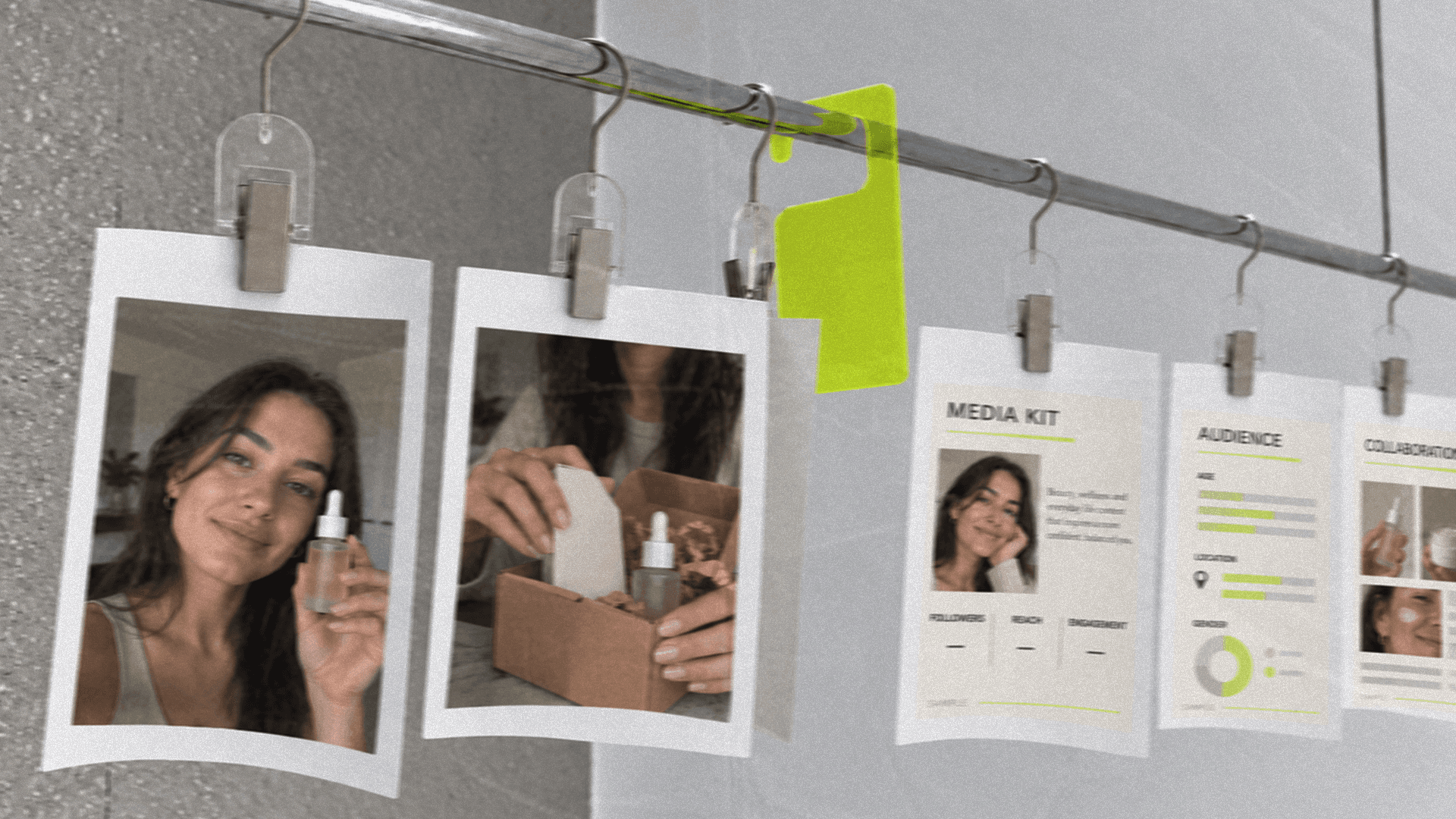 For BrandsFor Brands
UGC Portfolio vs. Media Kit: What Should You Send a Brand?
Learn when to send a UGC portfolio, media kit, or both based on whether a brand needs content production, audience distribution, or both.
7 min read